 Click Here to View Your Vacation
12-Day Japan Explorer Cherry Blossoms


Princess Cruises | 12 Days | Roundtrip Tokyo
March 27 - April 8, 2027
AAA Member Benefits and Special Offers:
- Member Benefits
- Reduced deposit, as low as $50, along with a complimentary Princess Medallion Clip for first two guests in the stateroom
- AAA Vacations® Amenities
- Up to $50 onboard credit per stateroom
- Up to $50 shore excursion credit per stateroom
Call to Book
1-800-529-3222
Included With Your Trip
Your Ship: Diamond Princess
Dining
- Main Dining Room
- Reserve Collection Dining
- La Patisserie
- World Fresh Marketplace
- Prego Pizzeria
- OceanNow Delivery
- Trident Grill
- Swirls Ice Cream Bar
- Sabatini's Italian Trattoria
- Kai Sushi
- Chef's Table Experience
- Crab Shack
- Churrascaria Brazilian Grill
- Ultimate Balcony Dining
- Afternoon Tea
Bars
- Good Spirits At Sea
- Crooners
- Wheelhouse Bar
Activities
- The Piazza
- Vegas Style Casino
- Music & Dancing
- Pools & Hot Tubs
- Skywalkers Nightclub
- Club Fusion
Entertainment
- Princess Theater
- Movies Under the Stars
- Top Deck Parties
- Fine Arts Gallery
- Princess Live!
Additional Information
Day 1 (MAR 27): Tokyo, Japan
Depart @ 3:00pm
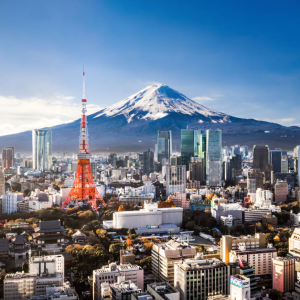
Contemporary Tokyo may be the most astonishing city on earth. It's a paradoxical mix of ancient tradition and postmodern culture. The Ginza, an international shopping mecca, stands near the serene grounds of the Imperial Palace, and the hyper-speed of 21st century consumerism is mysteriously reconciled with the elegance and serenity of traditional culture. Tokyo provides the traveler with a dizzying experience.
Day 2 (MAR 28): Day at Sea
Day 3 (MAR 29): Yatsushiro, Japan
Yatsushiro city was developed around a beautiful Shinto shrine, built during the Heian era (794–1185). Situated along the delta of the Kuma River, facing Yatsushiro Bay, this castle town and its ruins still showcase the spirit of the city. A visit to the ruins of Yatsushiro Castle (now part of a Shinto shrine) is a good place to begin your day. Another fun and scenic landmark is the flight of 777 stairs cut into the nearby mountains. Visitors are rewarded with panoramic views from the top – there are benches to rest on along the way! Yatsushiro is famous for its 16th century pottery designed with a distinctive blue-gray crackled glaze with white inlay. Craft enthusiast and collectors can visit three Kodayaki kilns in the area. Shopping enthusiasts will also enjoy the honmachi, a covered arcade that runs the length of several city blocks, and adventurous foodies can partake in some of the city's most exotic local fare, including Basashi, raw horse meat served with soy and garlic, a delicacy of the area. For those with a more traditional palate, the light green Rush ice cream is a treat, as is the banpeiyu fruit, the largest citrus fruit in Japan which is in season from December to January.
Day 4 (MAR 30): Busan, South Korea
The second largest city in South Korea, Busan is your gateway to a fascinating land whose culture is a unique amalgam of old and new. Modern high-rise towers dwarf ancient Buddhist temples. The city's bustling business district offers a stark contrast to the serene grounds of Yongdusan Park. In short, Busan is a microcosm of South Korea, a nation whose startling economic success often obscures one of Asia's most sophisticated and venerable cultures.Busan was the scene of bitter fighting during the Korean War. The United Nations Memorial Cemetery marks the final resting place for the troops from 16 nations who gave their lives during the conflict.
Day 5 (MAR 31): Nagasaki, Japan
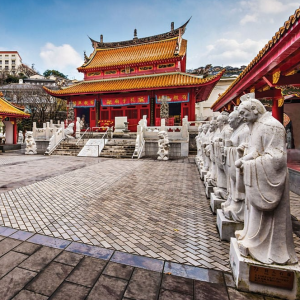
For most travelers, Nagasaki is a symbol of the horror and the inhumanity of war. An estimated 75,000 people perished in 1945 when the city became the second target of a nuclear attack. Today, Nagasaki's Peace Park and Atomic Bomb Museum draw visitors from around the world.But this beautiful city on Kyushu offers other sights. Often described as the San Francisco of Japan, the city occupies verdant hills surrounded by a deep-water bay. For three centuries, Nagasaki was Japan's sole window on the world. The city is also celebrated as the setting for Puccini's opera "Madame Butterfly."
Day 6 (APR 1): Kagoshima, Japan
From the 12th century to the Meiji Restoration of 1868, Kagoshima was the chief stronghold of the mighty Shimazu clan. The city lies at the top of the Satsuma Peninsula, a mountainous, geothermal wonderland of hot springs and geysers. The area is also rich in modern Japanese history: Saigo Takamori and the Satsuma samurai were leaders of the Meiji Restoration that toppled the shogun and restored the Emperor to power in 1868. In 1877, dissatisfied with the direction of the new government, Saigo led the Satsuma Rebellion, which ended in his death and the final defeat of the samurai.The symbol of Kagoshima is Sakura Jima - the volcanic island that sits just offshore. The volcano has erupted over 30 times in recorded history.
Day 7 (APR 2): Beppu, Japan
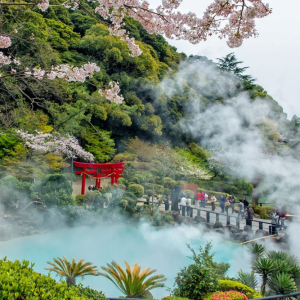
Ominous steam rises from the Japanese island of Kyushu where Beppu lies in wait. But not to worry - this legendary tourist town is renowned for its healing geothermal waters and spas. Overlooking Beppu Bay to its east and protected from the west by dramatic mountain peaks, this exotic city is blanketed with misty turquoise waters and elegant Japanese foliage. Its main attraction is the "Hells of Beppu," a collection of nine stunning onsen, or hot springs, some of which feature geysers and colorful waters in shades from white to copper to sapphire. The springs' names, including Kamado-Jigoku (Boiling Hell) and Oniyama-Jigoku (Demon Mountain Hell), are somewhat misleading as all of the hot springs are breathtakingly beautiful rather than frightening - though your nose may cower and crinkle at the sulfurous odor they emit.
Day 8 (APR 3): Matsuyama, Japan
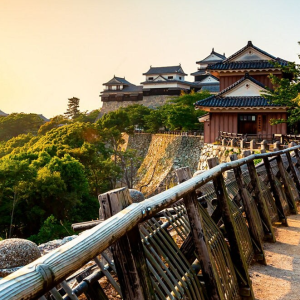
Matsuyama, Japan, is a peaceful haven where you can indulge in the healing waters of hot springs, satisfy your sweet tooth with amazing Japanese confections, and discover the area's rich literary tradition. The largest city on the island of Shikoku, Matsuyama developed around its celebrated 17th-century castle. Lined with cherry trees, this extensive fortress is a museum of historic relics from weaponry to armor, calligraphy and art. It also offers phenomenal views of the city and the Seto Inland Sea from its hilltop perch. Another city hotspot is Dogo Onsen, Japan's oldest hot springs. Known throughout Japan as a popular setting in the late author Natsume Soseki's famed novel, Botchan, Dogo Onsen features an elegant and inviting public bathhouse where many a visitor renews their spirit. Matsuyama is also the birthplace of Masaoka Shiki, considered the "Father of Modern Japanese Haiku Poetry," and there are several monuments to the haiku located throughout the city. From the hospitality at the hot springs to the renowned Matsuyama tarts and botchan dango (rice dumplings in bean paste), you won't want to leave this port!
Day 9 (APR 4): Kochi, Japan
Kochi sits on the broad alluvial plain facing Urado Bay. This city in Shikoku takes its name from the great feudal castle that sits at its very heart. Completed in 1611, Kochi Castle was the seat of Yamauchi Kazutoyo, a noted warrior who supported Tokugawa Ieyasu in his successful quest to become Shogun. Tosa Province and Kochi Castle were Yamauchi's reward for faithful service. There is an historical irony here: 250 years later, a Kochi native son - a former low-ranked samurai and now ronin named Sakamoto Ryoma - played a pivotal role in bringing the Tokugawa Shogunate to an end and restoring the Emperor of Japan to political prominence. The prize once awarded for faithful service had become a hotbed of support for the Meiji Restoration.Kochi is one of the wettest places in Japan - and a frequent target for cyclonic storms or typhoons. Southeast of the city, warm oceans currents washing against the Aki Mountains create a subtropical landscape of hibiscus, palm and ficus at Muroto-Anan Quasi-National Park.
Day 10 (APR 5): Osaka, Japan
For centuries, Osaka was Japan's cultural and commercial gateway to Asia - the point of entry both for trade goods and, most importantly, cultural influences that shaped Japanese society. From tea to Zen, from art to science and philosophy, Osaka was Japan's contact with the great East Asian cultures that flourished in China and Korea. The city reached its zenith in the late 16th century, when the great feudal lord Toyotomi Hideyoshi made Osaka his capital. Toyotomi was master of Japan, and an immense administrative and commercial center rapidly developed around Osaka Castle. After Toyotomi's death, the nation's seat of power shifted from Osaka to a sleepy little fishing village called Edo - modern Tokyo. While overshadowed by Tokyo, Osaka remains Japan's second largest city and a vital commercial center. Modern Osaka is home to monuments from Japan's past including Toyotomi's immense castle and the Sumiyoshi Shrine. The city is also your gateway to Kyoto, Japan's ancient imperial capital and the nation's cultural and spiritual center.
Day 11 (APR 6): Tokushima, Japan
Born as a 16th century castle town whose remains now lay scattered near a park and museum, Tokushima is best known for its colorful summer dance festival, the Awa Odori. But it may be Mother Nature who garners the most attention. Surrounded by 3,280-foot-tall mountains that hint at the wonders that lie beyond, the city is the perfect gateway to the mesmerizing Naruto whirlpools, the panoramic views from atop Mt. Bizan, and the spectacular gorges and vine bridges of Iya Valley. Whether you're entranced with the ways of the warrior, or under the spell of the extraordinary attractions, Tokushima offers exciting new experiences and unforgettable new adventures.
Day 12 (APR 7): Shimizu (for Mt. Fuji), Japan
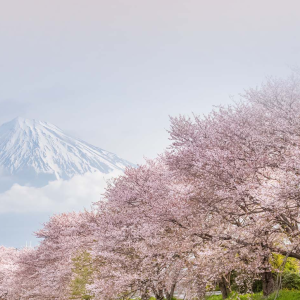
A mesmerizing landscape, a revered cultural history, and Japan's most sacred volcano are just a few of the many delights beckoning you to come and explore this ancient city. While Shimizu may have the reputation as being bustling and modern, its cultural and spiritual side is on display in the form of ancient and enthralling shrines. Of course, it may be the sacred and snow-capped Mount Fuji that garners the most attention. Towering over the region at approximately 12,388 feet above sea level, the active volcano, designated a "place and source of artistic inspiration" by UNESCO is just one of the many unforgettable adventures Shimizu inspires.
Day 13 (APR 8): Tokyo, Japan
Arrives @ 6:30am
Price My Trip
Product Code: AAA-Princess_LF
All pricing and offers for accommodations and other non-air travel are per person, based on double occupancy, capacity controlled and subject to availability and change without notice. Pricing does not include taxes, fees, fuel surcharges, gratuities, resort fees, or airfare unless otherwise noted and is valid on new bookings only. Prices, fees, and other restrictions are subject to supplier policies. All offers, including but not limited to, bonus amenities, upgrades, prices, and group benefits are based on select dates, resorts, room categories, and/or fare codes. Specialty pricing may require proper identification. Cancellation penalties, blackout dates, and other restrictions may apply. When traveling outside the United States a valid passport is required. It is the sole responsibility of the passenger to have the proper documentation and identification required by the United States and other governments at the time of travel. When passports are required, it must be valid for a minimum of six months past your date of return. AAA strongly recommends the purchase of Travel Insurance. Usage of a credit card for travel arrangements may provide additional protection, please consult your credit card policies. Under certain circumstances the package price may be subject to supplemental price increases imposed by the supplier. Price increases include, but are not limited to fuel surcharges, taxes or fluctuations in foreign exchange markets that may be imposed after the date of purchase. Air-inclusive prices do not include government imposed taxes and fees, including but not limited to a September 11th Security Fee, U.S. or international government imposed taxes and fees, Federal Excise Fees, among others. Some carriers charge additional fees for checked bags, fuel surcharge, meals, etc. Please check the carriers website for details. Air-inclusive pricing is based on select departure cities. Prices from other cities may vary. AAA Oregon/Idaho acts solely as a sales agent for travel suppliers and is not responsible for the actions or inactions of such suppliers. We monitor all of the information presented on our website; however, we do not assume responsibility for any errors or omissions in the content of the offers displayed. Review full Travel Disclosure and Consent at time of booking.